North Carolina Emergency Responder Communication Coverage: 2025 Changes
Code + ComplianceJody KizelewiczNovember 20255 min read
HB 768 / Session Law 2025-50 · Effective July 2, 2025
Statewide changes to NC Fire Code Section 510 affecting Emergency Responder Communication Coverage (ERCC/ERRCS) for existing, current, and future projects.
What Changed
State law now directs amendments to NC Fire Code Section 510 and immediately establishes statewide exemptions from in-building Emergency Responder Communication Coverage (ERCC).
These changes apply statewide: local jurisdictions must apply these exemptions now, until matching rules are formally adopted.
Who Is Exempt
The following building types are now exempt from in-building ERCC requirements. This applies to both new and existing buildings:
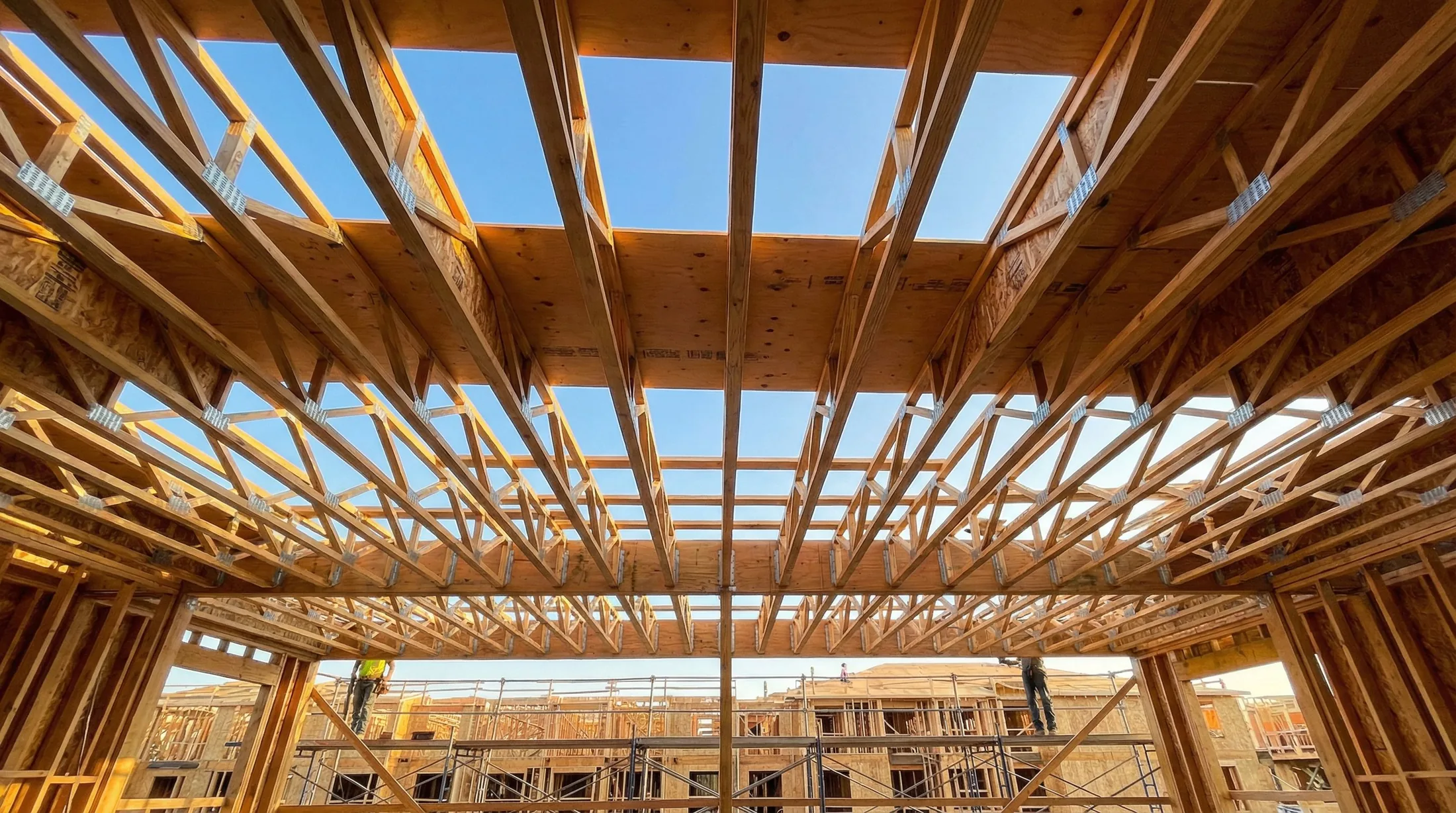
- R-2 apartment buildings of Type V construction (e.g., wood-framed) that meet code egress requirements.
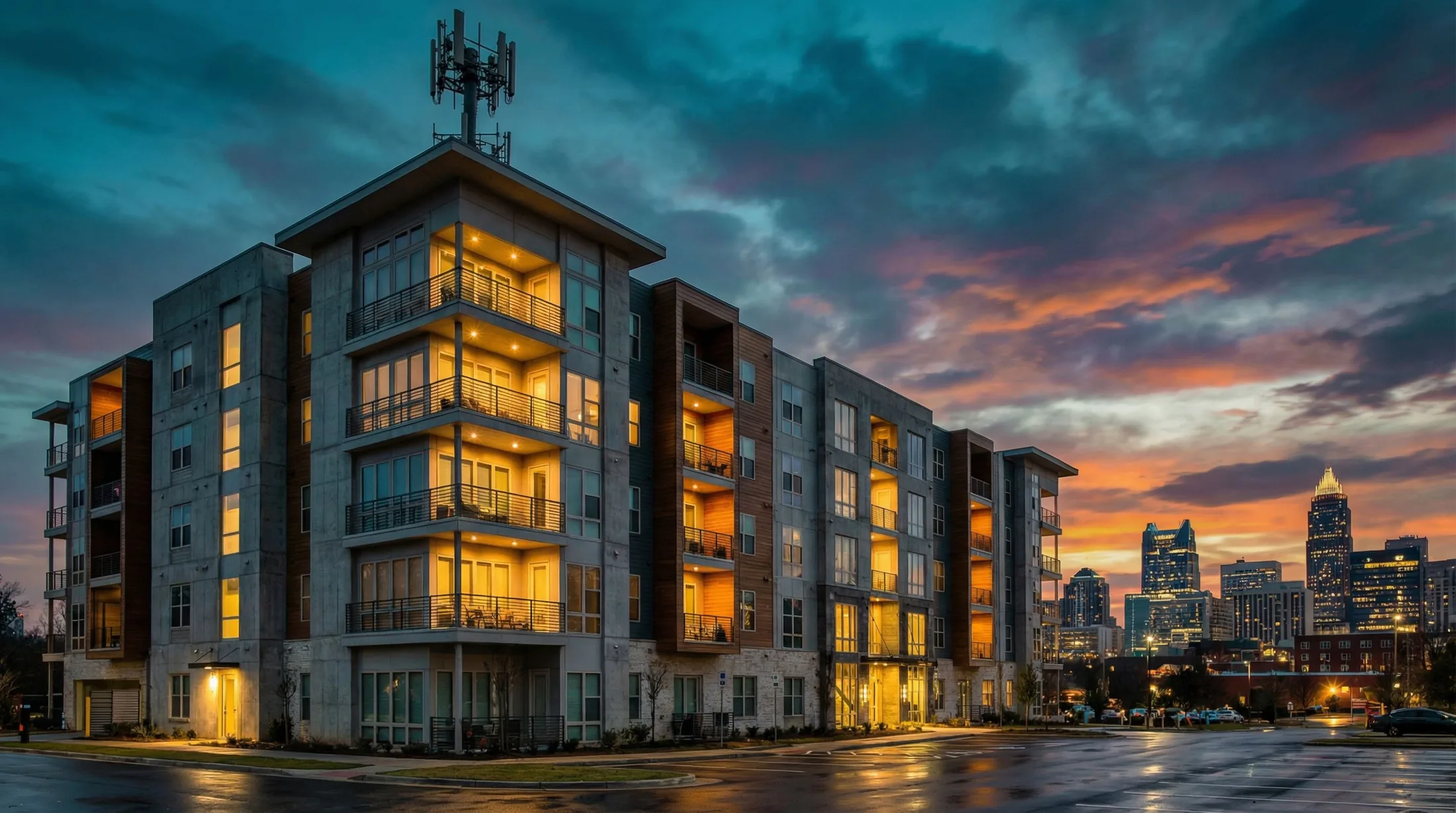
- Apartment buildings and transient lodging (hotels/motels) not exceeding two stories above grade plane with direct exterior egress from each dwelling unit or guest room.
Existing ERCC Systems in Newly Exempt Buildings
Systems already installed in newly exempt buildings may remain in place or may be formally disconnected. If decommissioning, the following steps are required:
- Disconnect supervisory/monitoring tie-ins to the fire alarm system (coordinate with FA vendor).
- Remove primary and secondary power: open/lock breaker; remove batteries and generator tie.
- Disconnect donor antenna from the booster (retain lightning protection if mast remains).
- Label booster enclosure: "Emergency Responder Communication Coverage is disconnected as permitted by Section 510 of the NC Fire Code."
- Provide completion letter and photos to the AHJ and update life-safety sheets and as-builts.
Interim Enforcement
Until the Building Code Council adopts substantively identical rules, jurisdictions shall not enforce Section 510 against exempt buildings and shall apply the disconnection provisions described above.
Context: Section 510 (Pre-Change)
Section 510 requires approved in-building radio coverage for new buildings, with acceptance testing and annual compliance. HB 768 carves out the exemptions above from that baseline requirement.
Impacts for Project Teams
Existing occupied buildings: If the building qualifies for an exemption, owners may decommission per the steps above with AHJ notification. Otherwise, continue annual testing and maintenance as required.
Projects in design or under construction: Teams should verify whether their project type qualifies for the new exemptions before specifying ERCC systems, potentially eliminating significant cost from the project scope.
Additional Resources
NC General Assembly: HB 768 Full Text →
Technical Information & Proposed Solutions (T.I.P.S.) documents are an open forum for sharing information among staff members. They represent threads of knowledge from lessons learned during the history of this firm too important to be forgotten. They are meant to be tools to help each team member elevate the standard of care and practice of architecture by helping head-off and avoid these conflicts and issues on future projects.
T.I.P.S. documents reflect "Resolutions Achieved" and "Commentaries" based on applicable codes, products available, and interpretations of the specific jurisdictions where these issues initially surfaced. They may not in part or as a whole apply to any future projects. They are intended for general reference only and do not relieve team members on future projects from the responsibility of thoroughly familiarizing themselves with applicable codes for each project.